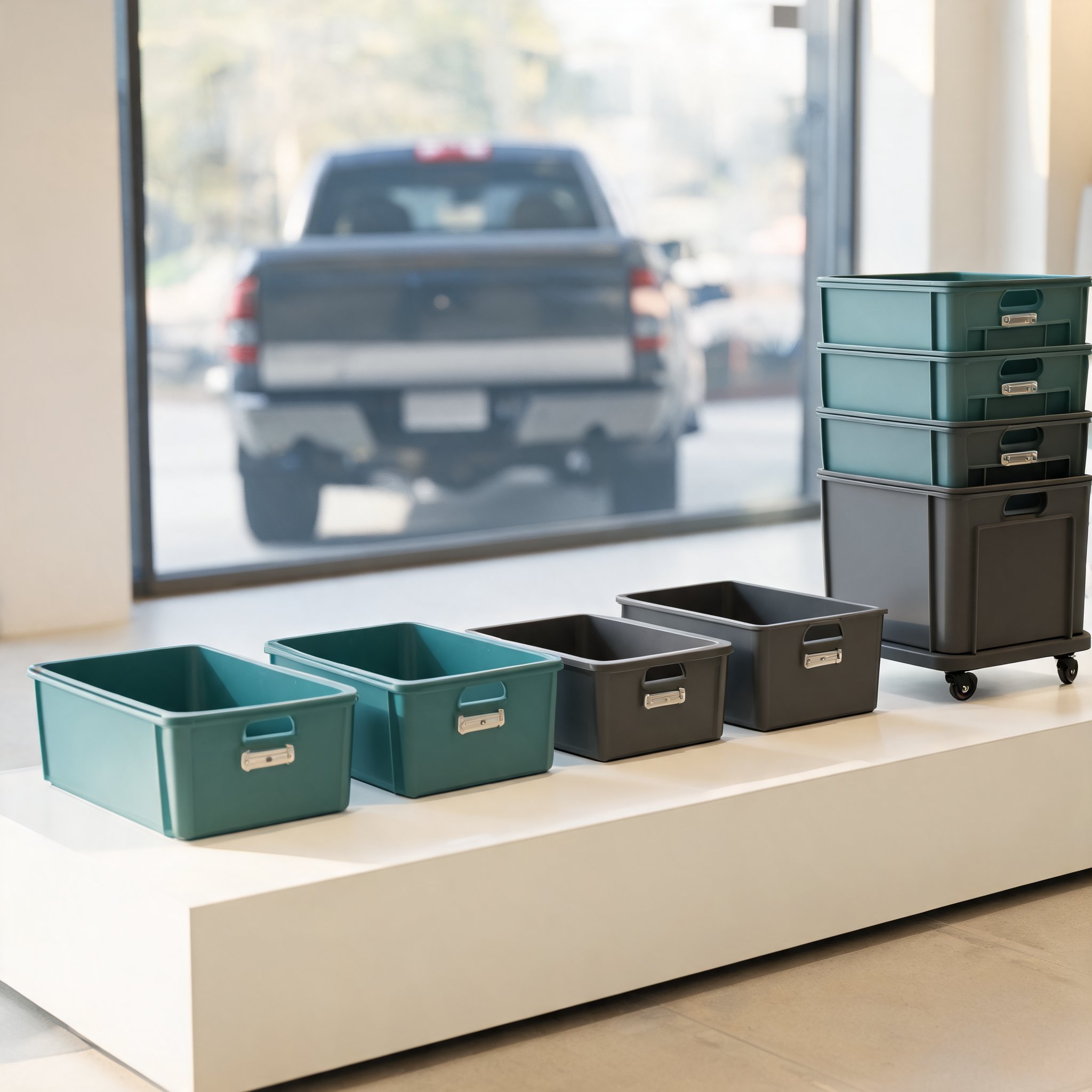
Makita is preparing a second wave of compact MakTrak tool boxes for the U.S. market, with the new lineup reportedly timed for the holiday shopping season. The reported expansion comes about two years after MakTrak first launched in the United States.
The additions are reported to include open-top crates in shallow and deep sizes. They would join previously launched rolling tool box and rolling drawer tool box products, plus a smaller accessory box. The compact range is separate from Makita's full-size MakTrak boxes, which are designed around a "fits in your pickup truck" concept.
Market fit and product gaps
The report points to a possible mismatch between the full-size MakTrak format and U.S. buying habits. The author described seeing the full-size line covered in a thick layer of dust at a local Home Depot, an observation that does not establish national demand. Still, the report suggests that more compact options could appeal to users who prefer a more standard form factor.
Makita has not confirmed whether the new U.S.-bound MakTrak products will be made domestically or imported. Photos circulating online show some new MakTrak boxes made in China, though the report notes this could reflect a regional "make it near where you sell it" strategy rather than the U.S. supply plan. The company also has not detailed pricing, exact launch dates or the full assortment.
Drawer tool boxes beyond the new rolling base unit have not been shown in the reported wave. The report speculates that those may arrive in a later MakTrak launch, but that remains unconfirmed. For now, the reported direction is a broader compact offering, with open-top crates adding another storage format for tradespeople and DIY users.