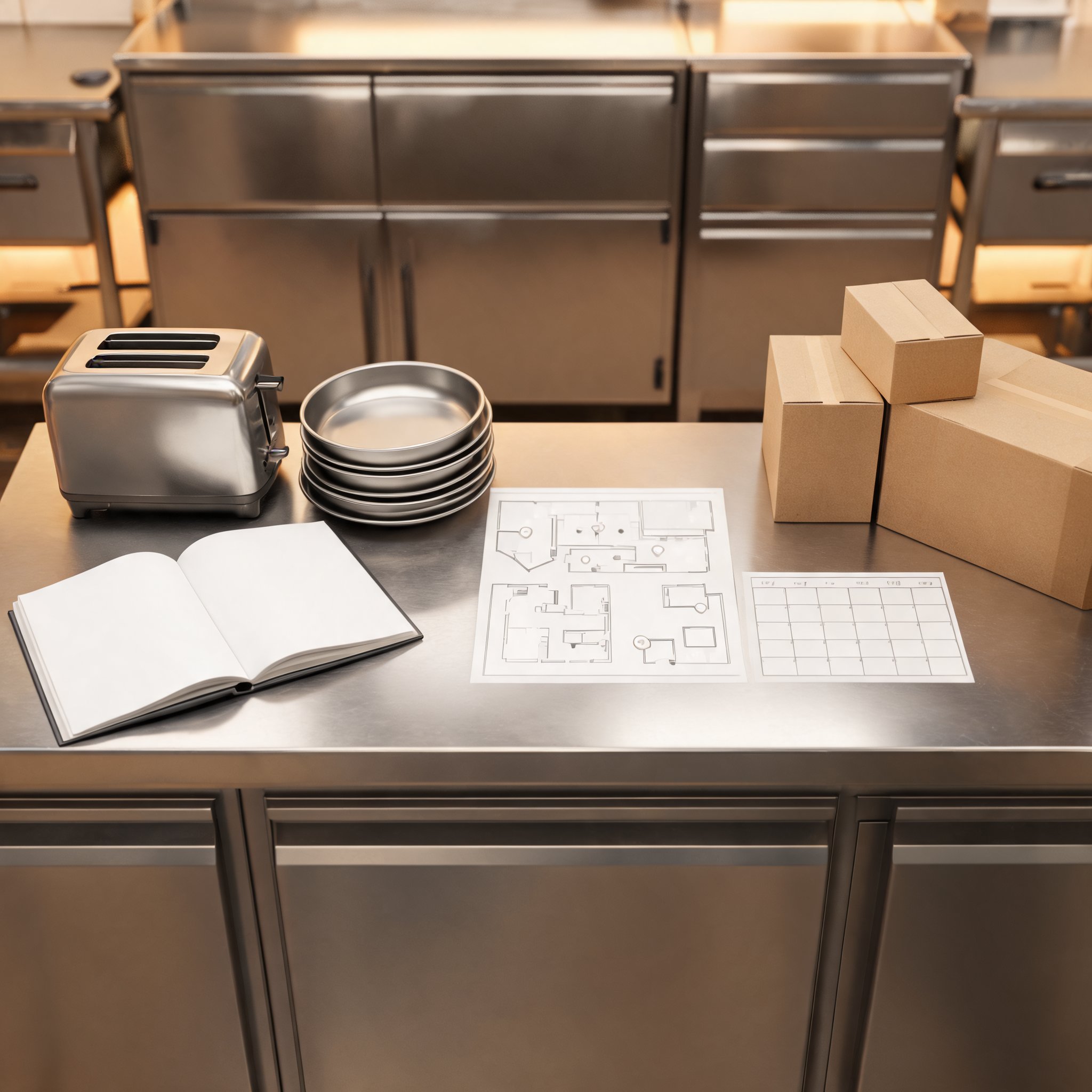
Bryan Musgrove, divisional senior director on national accounts for TriMark USA, says equipment rollouts for new menu items require planning that starts well before installation. He has worked on many such projects and recommends several practices to reduce disruption across locations.
First, operators should create a rollout playbook that accounts for differences among sites. In one case, a brand needed new toasters to add toasted sandwiches to a breakfast lineup that already included biscuits and wraps. Some locations had electrical capacity already at its limit, while small mall or urban sites lacked counter space. Adding shelving or a table to make room could affect workflow. A playbook can separate locations that are ready to plug in from those that need extra support.
Scheduling should follow the manufacturer’s lead time. Musgrove notes that a supplier may be able to produce 200 units, but the timeline depends on output—at 10 units a week, the order would take 20 weeks. A manufacturer might have inventory for the first 50 units, then need eight weeks to order parts from overseas before completing the rest. For a launch tied to a season or occasion, operators should work backward from the target date to set a realistic timeline.
Packaging can also be adjusted to simplify deliveries. Rather than sending smaller wares directly to each location in original boxes, operators can ask the dealer to consolidate and repackage items into one package per site. In another example, a brand adding macaroni and cheese to its sides needed visual holding cabinets, pans and serving scoops in different sizes. The items were combined into one package per location, with instructions and exterior labeling so managers knew what had arrived.
Musgrove’s recommendations cover site readiness, production timing and delivery logistics. He says following them can help ensure a smoother rollout, and, if the launch goes as planned, the new menu item can generate attention and increase traffic.